



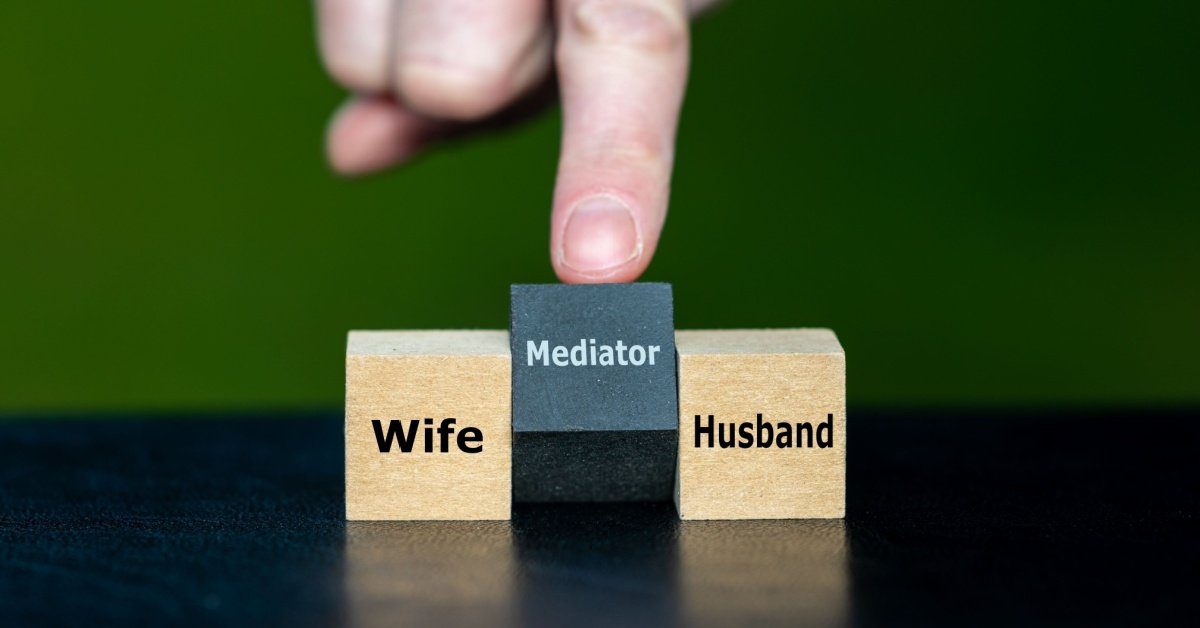
Divorce Mediation Is Built on Neutrality — Here’s Why It Matters
Divorce is emotional, even when spouses agree it’s time to move forward. Mediation can make the transition smoother, but its success depends mainly on the neutrality of the mediator. Neutrality ensures each spouse is treated fairly and that both have equal opportunities to express concerns, negotiate, and reach a mutually beneficial settlement.
In New Jersey, many couples choose mediation to avoid unnecessary litigation costs, minimize stress, and protect family relationships — especially when children are involved. A neutral mediator helps make that possible.
What Does “Neutrality” Mean in Divorce Mediation?
A neutral mediator does not take sides or favor one spouse over the other. Instead, they:
- Facilitate open communication.
- Ensure each spouse has a chance to speak.
- Help clarify issues without judgment.
- Guide discussions toward compromise.
- Provide legal information, not legal advice.
Neutrality doesn’t mean the mediator is passive. Their role is active — directing conversation, identifying sticking points, and helping the couple find acceptable solutions — without forcing outcomes or advocating for either spouse.
How Neutrality Benefits Both Parties in Mediation
A fair and unbiased mediator creates an environment where both spouses feel heard and respected. Key benefits include:
1. Reduced Conflict
When neither spouse feels blamed or dismissed, discussions stay more focused and productive.
2. Better Communication
Emotions can cloud judgment. A neutral mediator helps keep conversations civil and forward-focused.
3. Faster Resolution
Without court battles or arguments fueled by bias, agreements can be reached more efficiently.
4. Lower Costs
Fewer disputes mean fewer hours spent, which lowers overall legal and mediation expenses.
5. More Control Over the Outcome
The couple makes decisions — not a judge — allowing for more personalized and flexible agreements.
For many families, neutrality is what makes mediation a healthier alternative to litigation.
Common Misconceptions About Mediator Neutrality
Sometimes people misunderstand what neutrality means. Let’s clarify:
| Misconception | Reality |
|---|---|
| The mediator must enforce a 50/50 split of everything | Fair does not always mean equal; the goal is a mutually agreeable outcome |
| Neutral means the mediator has no legal knowledge | Mediators often are family law attorneys with deep legal insight |
| Neutrality means doing nothing when someone is dominating the discussion | Mediators actively balance the process to ensure fairness |
| A neutral mediator can advise one spouse | Mediation is not one-sided legal counsel |
Neutrality ensures a level playing field — but it isn’t hands-off.
When Neutrality Is Most Important
Certain situations make neutrality essential:
- Power imbalances (emotional, financial, or communicative)
- Strong disagreements about child custody or parenting time
- Complex assets such as businesses, retirement funds, or real estate
- High emotional tension or communication breakdowns
A skilled mediator remains aware of these challenges, ensuring neither spouse feels pressured nor disadvantaged in negotiations.
Mediation vs. Litigation: The Neutrality Advantage
When a divorce goes to court, attorneys represent each spouse separately — and the process can feel adversarial. A judge makes the final decisions, and outcomes may not reflect what either spouse truly wanted.
Divorce mediation offers a different experience:
| Factor | Mediation | Litigation |
|---|---|---|
| Tone | Cooperative | Adversarial |
| Decision-maker | Spouses | Judge |
| Costs | Lower | Higher |
| Timeline | Faster | Often lengthy |
| Communication | Guided by a mediator | Through attorneys |
Neutrality is the foundation of mediation’s success — helping couples maintain control and focus on solutions rather than conflict.
How New Jersey Law Supports Fair Mediation
New Jersey encourages mediation as part of its commitment to reducing court burden and promoting family-focused outcomes. Mediators must maintain professionalism and impartiality under:
- New Jersey Court Rule 1:40 (governing mediation standards)
- Ethical obligations to fairness and neutrality
If neutrality is compromised, mediators can be replaced — protecting the integrity of the process.
What Happens If One Spouse Feels the Mediator Isn’t Neutral?
Concerns can happen, especially during emotionally charged discussions. A good mediator will:
- Re-establish balanced speaking opportunities.
- Clarify legal information vs. opinion.
- Reassure both parties of their equal importance.
- If necessary, pause and revise the process structure.
If neutrality still feels compromised, New Jersey law allows a spouse to:
- Discuss concerns privately with the mediator.
- Request procedural changes.
- Seek a new mediator entirely.
Maintaining trust is essential to the process — and a responsible mediator respect that.
Why Choose Dalena & Bosch for New Jersey Divorce Mediation?
Dalena & Bosch Family Law Firm is known throughout Morris County and the surrounding New Jersey areas for professionalism, compassion, and fairness. The mediators are:
- Trained in divorce and family mediation.
- Committed to complete neutrality — always.
- Experienced in complex financial and parenting matters.
- Focused on protecting children’s emotional well-being.
- Skilled at guiding spouses to agreements that work long-term.
They help reduce stress, avoid unnecessary courtroom battles, and ensure both spouses feel supported.
Move Forward Fairly, Confidently, and with Clarity
Neutrality is the heart of successful divorce mediation. It allows spouses to focus on the future instead of reliving past conflict. If you’re considering divorce mediation in New Jersey — or want to explore whether it’s right for your situation — Dalena & Bosch Family Law Firm is here to help you navigate the process respectfully and productively.
Contact Dalena & Bosch today to schedule a confidential consultation and begin building a fair path forward for your family.